

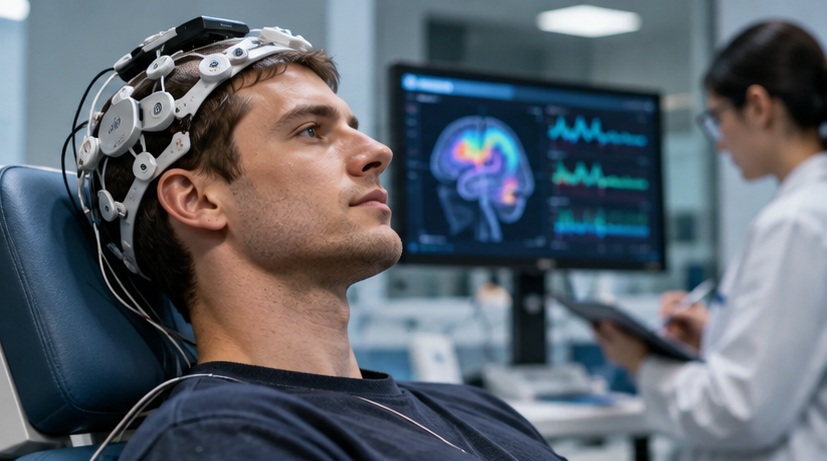
Implanted devices that turn neural signals into text are helping paralysed patients communicate at conversational speeds. This report unpacks what changed, who it affects and what to watch next.
From cursor to conversation
Early systems moved a cursor. Current decoders, aided by language models, translate attempted speech into text at dozens of words per minute.
Safety first
Larger trials will measure long-term implant stability and infection risk, the key questions before wider approval.
Key takeaways
- Science teams should revisit assumptions made even a year ago.
- Early adopters report measurable gains, but tooling is still maturing.
- Expect rapid iteration over the next two to three release cycles.
Ethics on the table
Neural data is the most personal data there is. Researchers are calling for strict consent and ownership rules now, before commercial pressure grows.
The bottom line
Brain-Computer Interfaces Enter Larger Clinical Trials is a story still being written. TechMag will keep tracking it — subscribe to our newsletter to get the next update in your inbox.