


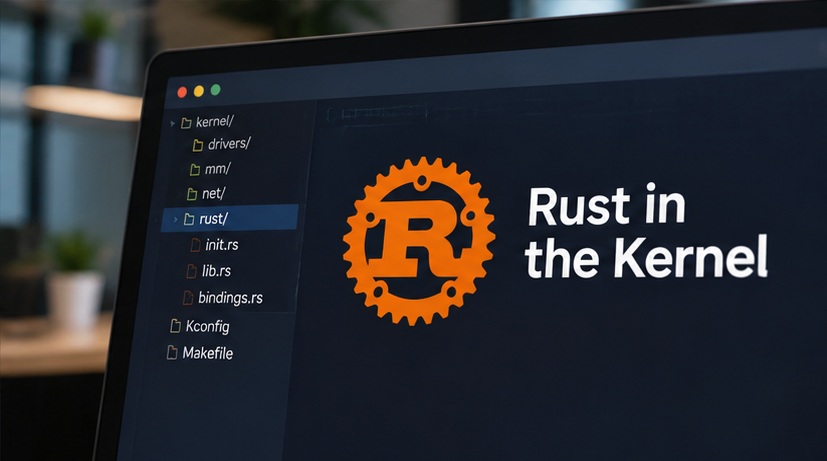
New drivers written in Rust are shipping in mainstream distributions. This report unpacks what changed, who it affects and what to watch next.
From pilot to policy
What began as a carefully scoped experiment is now a supported path for new drivers. Maintainers cite fewer use-after-free and buffer-overflow reports in Rust-based components.
Memory safety stopped being a philosophical argument once the bug reports started dropping.
The friction is cultural
Most remaining debates are about review load and toolchain stability rather than the language itself. Mentoring programmes are pairing C veterans with Rust contributors.
Key takeaways
- Software teams should revisit assumptions made even a year ago.
- Early adopters report measurable gains, but tooling is still maturing.
- Expect rapid iteration over the next two to three release cycles.
What it means for you
Fewer kernel crashes and a smaller attack surface, mostly invisible — which is exactly how infrastructure improvements should feel.
The bottom line
Rust in the Kernel Is No Longer an Experiment is a story still being written. TechMag will keep tracking it — subscribe to our newsletter to get the next update in your inbox.